
The Role of Luck in Gambling
Luck plays an undeniable role in the gambling experience, influencing outcomes in ways that skill alone cannot replicate. While many players enter a casino armed with strategies and techniques, it is often the unpredictable nature of luck that determines their success. This randomness can create thrilling moments, but it also emphasizes that no amount of preparation can guarantee a winning streak. For instance, in games like roulette and slot machines, the results depend purely on chance, making skill irrelevant. Many enthusiasts enjoy a variety of options, which can include traditional games or even places where you might find gold bet opportunities, the excitement generated by these games stems from the very essence of luck, where every spin or roll can lead to life-changing wins or devastating losses.
The essence of casino games is built on the concept of chance. Even in games where strategy is a factor, such as poker, the cards dealt can change the course of a game within seconds. A skilled player may have a deep understanding of probabilities and player behaviors, yet a single unfortunate card can swiftly alter their fate. This unpredictability highlights how luck can overshadow skill, turning a seemingly skillful player into a mere spectator in moments of bad fortune. For example, a seasoned poker player may engage in an elaborate bluff, only to be countered by an unexpected hand that renders their strategy ineffective, underscoring that luck can swiftly reverse the outcomes in gambling scenarios.
Moreover, the environments in which these games are played add to the luck factor. Casinos are designed to create an atmosphere filled with excitement and suspense, amplifying the thrill of uncertain outcomes. Players often find themselves swept into the moment, leading to decisions based on emotion rather than calculated strategy. The glitzy lights and sounds of successful spins can create a false sense of security, reinforcing the idea that skill can influence results. In this context, luck not only governs the game’s results but also influences player behavior and emotional responses, reinforcing its supremacy over skill. The adrenaline rush associated with winning can cloud judgment, making it difficult for players to accept that luck is often the decisive factor.
The Illusion of Skill
Many enthusiasts believe that their skills and strategies will consistently lead to victories in casino games. This perception can be misleading, as skill often cannot mitigate the randomness involved in various games. For example, a blackjack player may be adept at counting cards, but they will still encounter situations where the dealer’s hand can nullify their strategy. In such instances, even the most practiced player can find themselves at the mercy of chance. The truth is that while skill may enhance a player’s chances in certain games, it is not a foolproof method for securing wins, especially in an environment governed by the whims of luck.
This illusion of skill can also lead to what is known as the “gambler’s fallacy.” Players might assume that they can predict outcomes based on previous results, believing that a certain number or card is “due” to appear. However, the reality of independent probability in games like slots undermines these beliefs. Each spin or turn operates under its own set of random probabilities, rendering prior outcomes irrelevant, and further emphasizing the degree to which luck plays a pivotal role. Believing in trends or patterns can lead players astray, resulting in decisions that disregard the fundamental nature of chance that underpins these games.

Furthermore, the casino industry recognizes and capitalizes on this illusion. Marketing campaigns often highlight strategies or tips that suggest a player can exert control over their fate. While these tactics may enhance the excitement and draw players in, they can also lead to inflated expectations. Ultimately, new players can become disillusioned when they realize that despite their efforts, luck remains the predominant force determining their success at the table. This realization can lead to frustration, as players may feel their skills have failed them when, in reality, they were simply subjected to the unpredictable nature of luck.
Game Mechanics and Odds
The mechanics behind casino games are inherently designed to favor the house, which underscores the importance of luck over skill. Each game is governed by rigorous mathematical probabilities that dictate the likelihood of winning or losing. For example, slot machines use random number generators to determine outcomes, ensuring that each spin is completely independent of the last. This feature negates any potential skill-based advantages, making it clear that luck is the driving force behind winning combinations. The designed margins in favor of the casino create an environment where, regardless of player skill, luck becomes the ultimate determining factor in the outcome of each game.
Even in games that appear to involve strategy, such as poker, luck still plays a significant role in the immediate outcomes. A player’s skill may allow them to make strategic plays based on the information available, but the cards they receive are still a matter of chance. This impulsive aspect can lead to wildly fluctuating fortunes, where a skilled player can lose to someone with less experience, simply due to the nature of the cards dealt. Thus, the inherent structure of casino games firmly positions luck above skill. Players may find themselves in situations where their extensive experience and knowledge are rendered ineffective by a single stroke of bad luck, demonstrating how luck can overshadow even the most proficient strategies.
The odds are carefully calculated in favor of the casino, and players must acknowledge that their victories are often due to lucky breaks rather than skillful plays. Understanding these odds allows players to approach their gaming experience with realistic expectations. Many seasoned gamblers develop a healthy respect for luck, recognizing that while skill can enhance the gaming experience, it is ultimately luck that dictates the outcome of each game. This understanding fosters a more mature approach to gambling, where players can appreciate the entertainment value without falling into the trap of believing they can control the outcomes.
The Psychological Factor of Luck
The psychological aspects of gambling inject an additional layer into the relationship between luck and skill. Players’ emotional and mental states can significantly affect their perception of luck in a casino environment. When on a winning streak, players often feel invincible, attributing their wins to skill rather than acknowledging the role of chance. Conversely, during losing streaks, players may doubt their abilities, believing that their skills have failed them, rather than recognizing that luck has simply turned against them. This emotional rollercoaster can deeply influence gambling behavior and decision-making, emphasizing how pivotal luck is in shaping the overall experience.
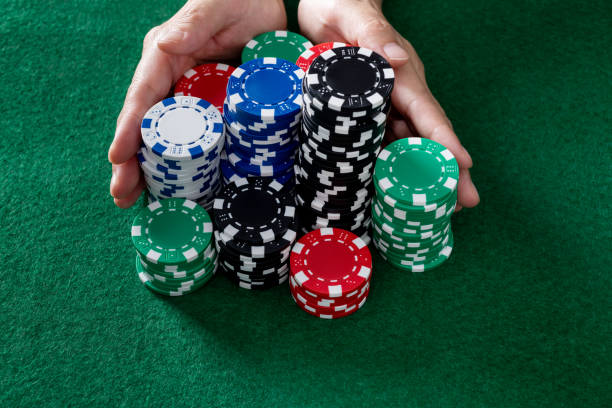
This psychological connection reinforces the idea that luck is the dominant force within casinos. As players immerse themselves in the atmosphere, they may overlook the element of randomness, convinced that their decisions will yield consistent results. The thrill and adrenaline tied to gambling often overshadow the reality that outcomes are not always predictable. By understanding the psychological dimensions of luck, players may better appreciate the randomness intrinsic to gambling. Embracing the unpredictability of luck can lead to healthier gambling habits, where the focus shifts from winning to enjoying the experience.
Additionally, the social interactions within a casino can amplify feelings of luck. Players often share stories of incredible wins and lucky breaks, which can create a collective belief in the idea that luck is prevalent in gambling. This communal reinforcement can lead to an illusion of control, where players convince themselves that their skills contribute to their luck. However, it is essential to recognize that luck is the primary actor in this drama, and acknowledging this can foster a healthier approach to gaming. Players who understand the impact of social dynamics on their perception of luck can navigate the casino environment more effectively, maintaining a balance between enjoyment and realism.
Exploring More About Casino Culture
The allure of casinos is rooted in the exciting blend of luck, chance, and the thrill of the game. While skill can enhance a player’s experience and provide some strategic advantages, the reality is that luck ultimately dictates the outcomes. For anyone looking to engage with the vibrant world of casinos, understanding this relationship is crucial to having a rewarding experience. Embracing luck allows players to navigate the ups and downs of gambling with a more balanced mindset. This dynamic interplay between chance and strategy is what keeps players captivated and returning for more.
For novices and seasoned players alike, it’s essential to approach gambling with realistic expectations. Investing time in learning strategies can improve skills, but the unpredictability of luck remains an ever-present factor. Acknowledging this can lead to a more enjoyable casino experience, where players focus on entertainment rather than solely on winning. The mingling of luck and skill creates a fascinating dynamic that keeps people returning to casinos time and again. While it is natural for players to seek an edge, understanding the fundamental role of luck can enhance the overall enjoyment of the experience.
In conclusion, while skill may enhance a player’s ability to make informed decisions, it is the whims of luck that often dictate the true outcome of casino games. By understanding the nature of luck and its impact on the gambling experience, players can better enjoy the thrill of the game while cultivating a healthy relationship with chance. This perspective fosters a deeper appreciation for the unpredictable nature of casinos, where each moment is charged with possibility and excitement. Ultimately, embracing luck as an integral part of the gaming experience can lead to more fulfilling interactions within the casino culture.